
Dr Charles Roehr leads revision of European Requirements for Training in Neonatology
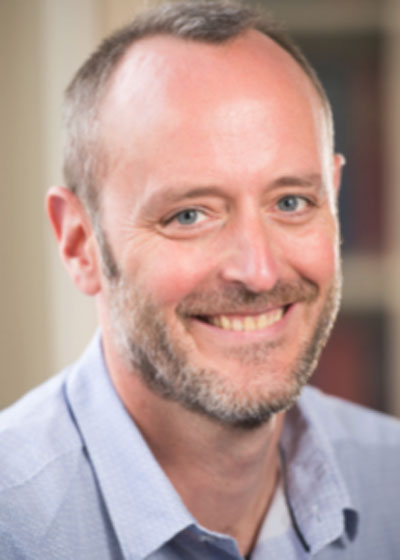 The European Requirements for Training in Neonatology (ETR Neonatalogy) have been revised under the leadership of Research Fellow Dr Charles Roehr.
Dr Roehr has been President of the European Society for Paediatric Research (ESPR) since 2017.
The document aims to define the minimum requirements for training in neonatal medicine. The revision has updated the existing requirements to adapt to modern-day clinical work patterns and administrative realities.
This training curriculum has been developed to support national training programmes in neonatal medicine, which is one of the Paediatric Specialist training programmes as defined by the European Board of Paediatrics (EBP) and the Union Européenne des Medicins Specialistes (UEMS).
The committee for the update of the European Requirements for Training in Neonatology 2021 consisted of board examined specialists in neonatal medicine with extensive experience at senior staff level, all being experienced neonatal educators with extensive knowledge in policy development and members of the ESPR.
The process of generating the training requirements included adapting existing European policy documents on training requirements, the second edition of the ETR (Version 2007), national European syllabi and also recently-published, by an international collaboration, European Standards of Care for Newborn Health.
There was also consultation with representatives from European national neonatal societies to ensure international applicability. The result is a true Pan-European training syllabus for neonatal training, including suggestions suitable for countries throughout Europe independently of their level of income.
Indeed, recognition & consenting of the updated ETR-Neonatology is a major step forward towards pan-European standardisation of specialist neonatal training! Thanks to the teams @ESPR_EBN #EAP #UEMS for their support! #developingandapplyingresearch https://t.co/K1jgZph55d
— Charles C Roehr (@ccroehr) April 28, 2021
Dr Charles Roehr is a neonatal intensivist and clinical scientist, Research Fellow Representative on the Governing Body at Green Templeton, and Associate Professor of Paediatrics at the University of Oxford. He works at the John Radcliffe Hospital, NHS Foundation Trust in Oxford, UK. His special interest is neonatal stabilization/ resuscitation and non-invasive respiratory support. Charles is a Fellow of the Royal College of Paediatrics and Child Health, UK.
Happy Friday!
We are ready and excited for a busy Michaelmas Term ahead.


Get ready for a discussion on leadership, diplomacy, philanthropy and Olympic sport. Plus a live fencing demonstration.🤺
On 28 October, we are bringing together four extraordinary women from the United States, United Kingdom and Pan-American sporting communities for the event: Bridging Nations, Leading Change.
The conversation will explore how sport can create change across borders, from women’s leadership and philanthropy to sports diplomacy and the Olympic movement.
With a welcome from Chief Executive of @TeamGB Jon Dutton OBE , alumna Selina Kaing (MBA, 2006) will moderate the panel`s discussion featuring:
🌎 Ana Irene Delgado, Permanent Representative of Panama to the Organization of American States
🏅 Sally Munday, Chief Executive of @UKSport
🤺 Georgina Usher MBE, Chief Executive of @BritishFencing
To register, go to the link in the comments
#GreenTempletonCollege #Oxford #WomenInLeadership #SportDiplomacy #Fencing #OlympicMovement #WomenInSport #OxfordEvents

Although we can not guarantee his attendance, Vincent encourages all new students to attend the college life fairs, taking place today from 14:00 to 15:30 in the marquee and Thursday 8 October from 10:30 to 12:00!
Meet college staff and representatives from student clubs!

The college is delighted to welcome a new Oxford PharmaGenesis DPhil Scholarship in Translational Health.
The scholarship has been established through an endowment gift of £1,660,000 from Oxford PharmaGenesis, now part of the Klick family, creating a permanent fund to support doctoral students undertaking outstanding postgraduate research in the field of translational health at Nuffield Department of Primary Care @oxford_uni

Yesterday our alumni celebrated the 2026 Mid-Autumn Festival in Hong Kong alongside @st_annescollege alumni at the two societies’ first co-organised event.
The group gathered at a Michelin-starred restaurant to mark the joyful occasion, make new connections and enjoy exquisite traditional food together.
It is wonderful to see the two college alumni societies bringing the wider Oxford community together for what Nathaniel Chan (MBA, 2016), co-chair of the Green Templeton College Hong Kong Alumni Society, described as ‘a memorable occasion’.
Plans are already taking shape for a hike and karaoke event in November, following an ‘impressive impromptu a cappella performance by one alumnus’ at the lunch.
#alumni
#Oxford
#HongKong


