Policy and philanthropy
This article by Professor Rebecca Surender is extracted from the current issue of Observatory magazine
 The rapid amalgamation of philanthropic donors into the structures and processes of global development organisations – and the views of these organisations towards the donors – is increasingly well documented. In short, Big Philanthropy (defined as large tax-exempt foundations established by ultra-high-net worth individuals, UHNWIs) has become welcomed and integrated into the institutional architecture of global social policy, and UHNWIs’ authority as transnational policy actors appears to have been secured. They have a growing presence and influence in the work of Bretton Woods and United Nations organisations, including contributing directly to lending and grant-making operations, providing advisory services to partner governments, and raising visibility and advocacy activities.
Perhaps unsurprisingly, international organisations such as the World Bank, World Health Organisation (WHO) and UNICEF have all expressed explicit public support for a greater role for private foundations – and have founded bodies and frameworks to facilitate this. Examples include the United Nations Foundation – a parallel sister institution established by the UN to provide a mechanism for private UHNWIs to donate to the institution and, in return, to have membership on a parallel board. Relatedly, the WHO set up a channel for voluntary contributions, to facilitate a pool of extra-budgetary funds from both the profit and not-for-profit sectors. Whereas formal contributions from member state countries are fully flexible and can be deployed in any way the WHO decides, voluntary contributions from non-state actors are typically earmarked and specify the programmes and projects that the donor will fund.
This influence has led some to begin to characterise big philanthropists as new policy entrepreneurs; that is, as political actors who actively promote policy ideas. Being highly motivated, entrepreneurs engage in a variety of strategies to draw attention to problems, present innovative policy solutions and secure action. Whereas many policy actors are willing to work within established institutional arrangements and constraints, policy entrepreneurs are distinguished by their desire to radically change current ways of doing things – to act as disruptors.
While the concept of policy entrepreneurship has increasingly gained a place in mainstream social policy studies in explaining the dynamics of policy change, it has not yet fully engaged with the role of philanthropists as new global entrepreneurial actors. In addition to their substantial financial support, philanthropic foundations achieve power within multilateral organisations through the considerable technical expertise and capacity they contribute. They provide essential services for decisionmakers by acting as resource banks for information and providing expertise and informed judgements.
Emerging analysis of global governance suggests that opportunities for policy transfer have been catalysed through the growth of global public policy networks. It is clear that philanthropists spread ideas and information through their networks: domestically through insider strategies into the political parties and bureaucracy, or via outsider strategies into media, civil society; and now internationally. As funders, they provide the essential glue to these networks, also reflecting their agency as policy entrepreneurs. Understanding the impact of the role now played by philanthropy across global regions, policy sectors and policymaking processes is increasingly urgent.
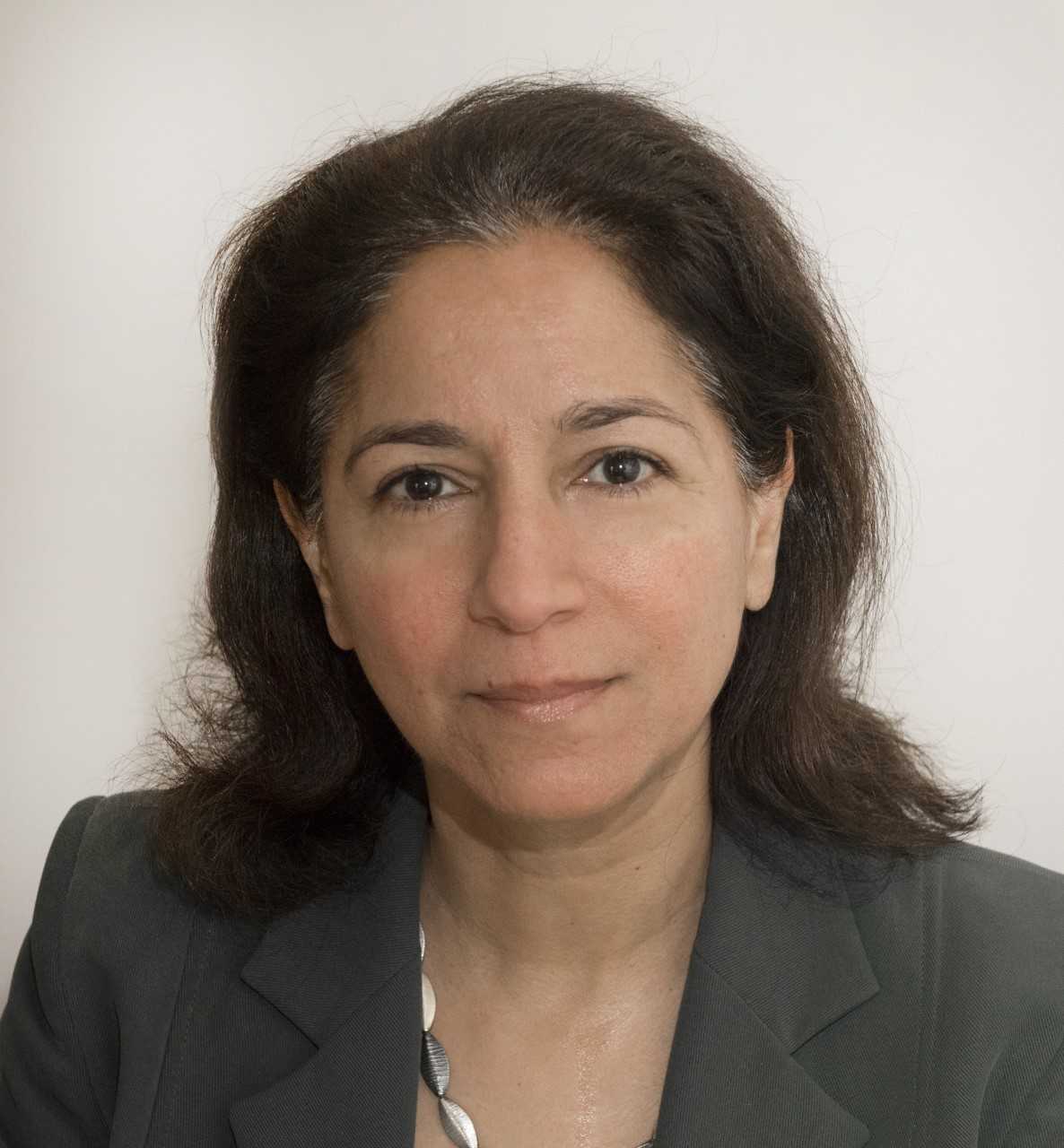
Professor Rebecca Surender is a Governing Body Fellow and participant in the Conversations in Global Philanthropy series at college. She is co-editor of, and a contributor to, Handbook on Philanthropy and Social Policy (Edward Elgar, 2025), from which this article is extracted.
Read Observatory magazine 2025