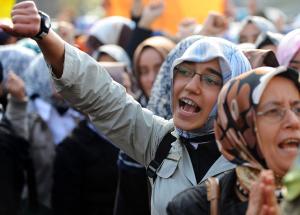
EMS 2013: Gender Inequality in Emerging Markets
Brazil, China, India, Indonesia, Mexico, Russia, Turkey and the fifteen or so smaller countries we call emerging markets are so culturally, socially and politically different that but for their shared economic attributes we would not speak of them in the same breath. Conflicting threads of contrast and consistency undermine many generalisations about them but major exceptions include the assumptions, norms and practices that lie at the heart of sexual attitudes and associated behaviours.
This symposium focussed on issues that influence or determine the economic status and roles of women in emerging markets. Some of these issues are closely associated with the peculiar characteristics of emerging markets; others are shared with wealthier and poorer countries. The core theme was women, work and wealth, considered against the background of gender economics and evaluated in light of cultural attitudes, beliefs, norms, mores and institutions that perpetuate economic disadvantages for women.
Findings and recommendations
The symposium on Gender Inequality was a graphic expression of many of the “global” issues – poverty, conflict, corruption and issues of human welfare including economic and social inequality – with which the EMS had grappled since its inception.
Download report
To download the full Report of the Findings and Recommendations from the Symposium on Gender Inequality in Emerging Markets, please click the link below: