Panel: Eating in a changing world system
Three experts took part in this panel, which revolved around eating in a changing world system and how to balance food, health and the environment.
- Maria Jose Alencastro
Food Security Technical Coordinator, Research and Innovation, Action Against Hunger - Professor Thomas Cousins
Associate Professor in the Social Anthropology of Africa, University of Oxford; Fellow of St Hugh’s College - Dr Karin Eli
Senior Research Fellow, Warwick Medical School, University of Warwick; Research Affiliate, School of Anthropology and Museum Ethnography, University of Oxford; Research Associate, SOAS Food Studies Centre, SOAS, University of London
Panel report
By Taylor Grossman, communications manager, Human Welfare Conference 2019
I had the pleasure of moderating the panel on ‘Eating in a Changing World System: Balancing Food, Health, and the Environment’. We heard from three presenters, who each shed light on a different dimension of this topic.
First, Maria Jose Alencastro from Action Against Hunger presented on the viability of insects as a nutrition source in the Central African Republic. Although certain taboos persist against eating insects, caterpillars can be a rich and sustainable source of protein. Her work tackles both large-scale supply chain issues, as well as the impact of malnutrition on individuals and communities. Next, Professor Thomas Cousins presented on his work on food systems in South Africa. He outlined several ways of thinking about food, from the systemic to the cultural. Like Alencastro, Cousins stressed the importance of thinking on the macro and micro-levels. Finally, Dr. Karin Eli presented on digital eating, and how technology is mediating and morphing our relationship with food.
I learned a lot from listening to these three speakers engage with some of the toughest problems in food security, from supply-side issues of distribution and resourcing, to demand-side issues of health and sustainability. Food resonates along several axes, and solutions will never be “quick fixes.” Central to any understanding of food security is culture: food is deeply context-dependent, and is intertwined with a person’s sense of community, tradition, and taboo. After the panel, I reflected on my own understandings of food, and the ways in which my thoughts on “healthy” eating are products of the way I was raised. This panel gave us all a lot to contemplate, and I’m excited to see how the community takes some of these issues into consideration going forward.
Pictures from the panel
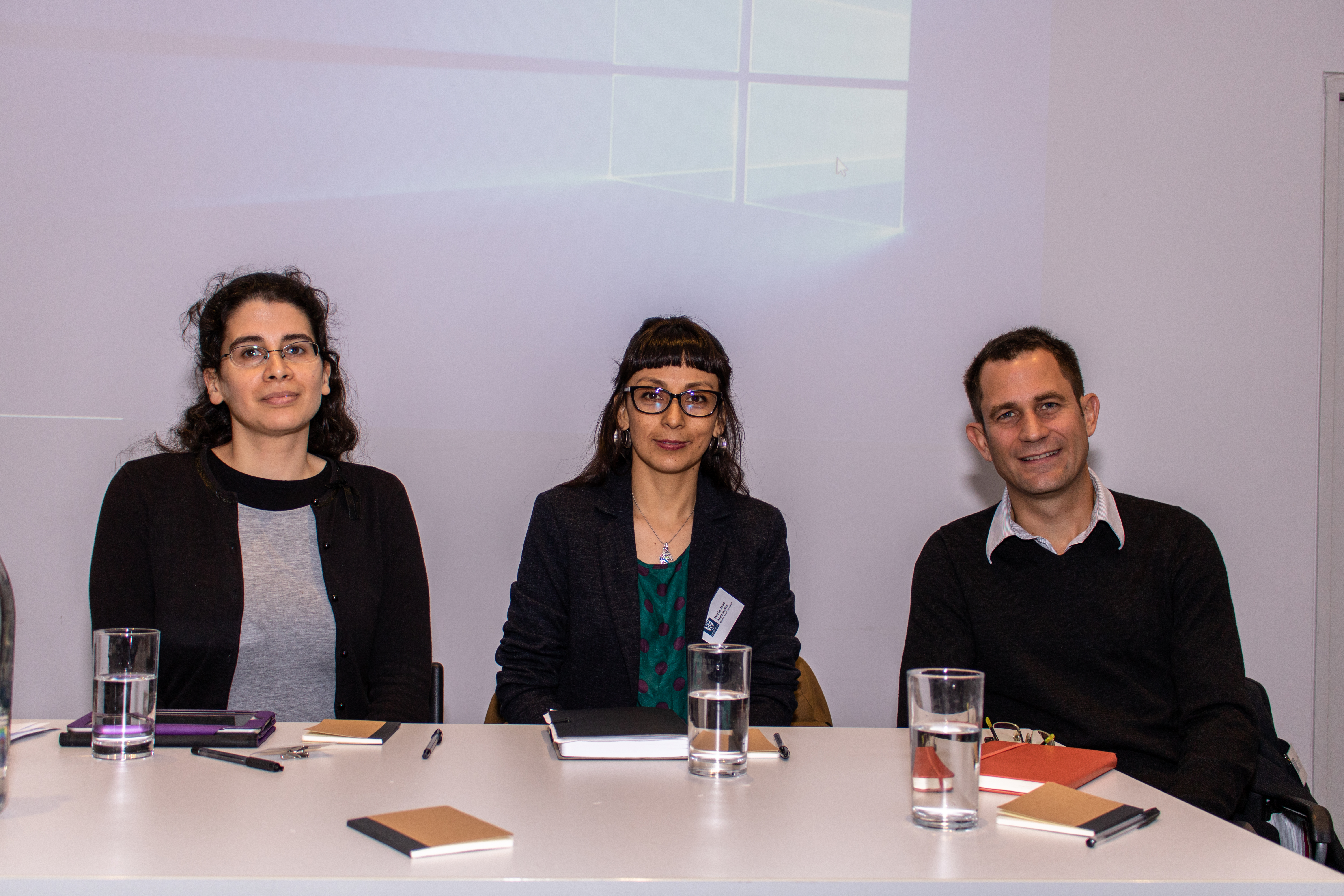
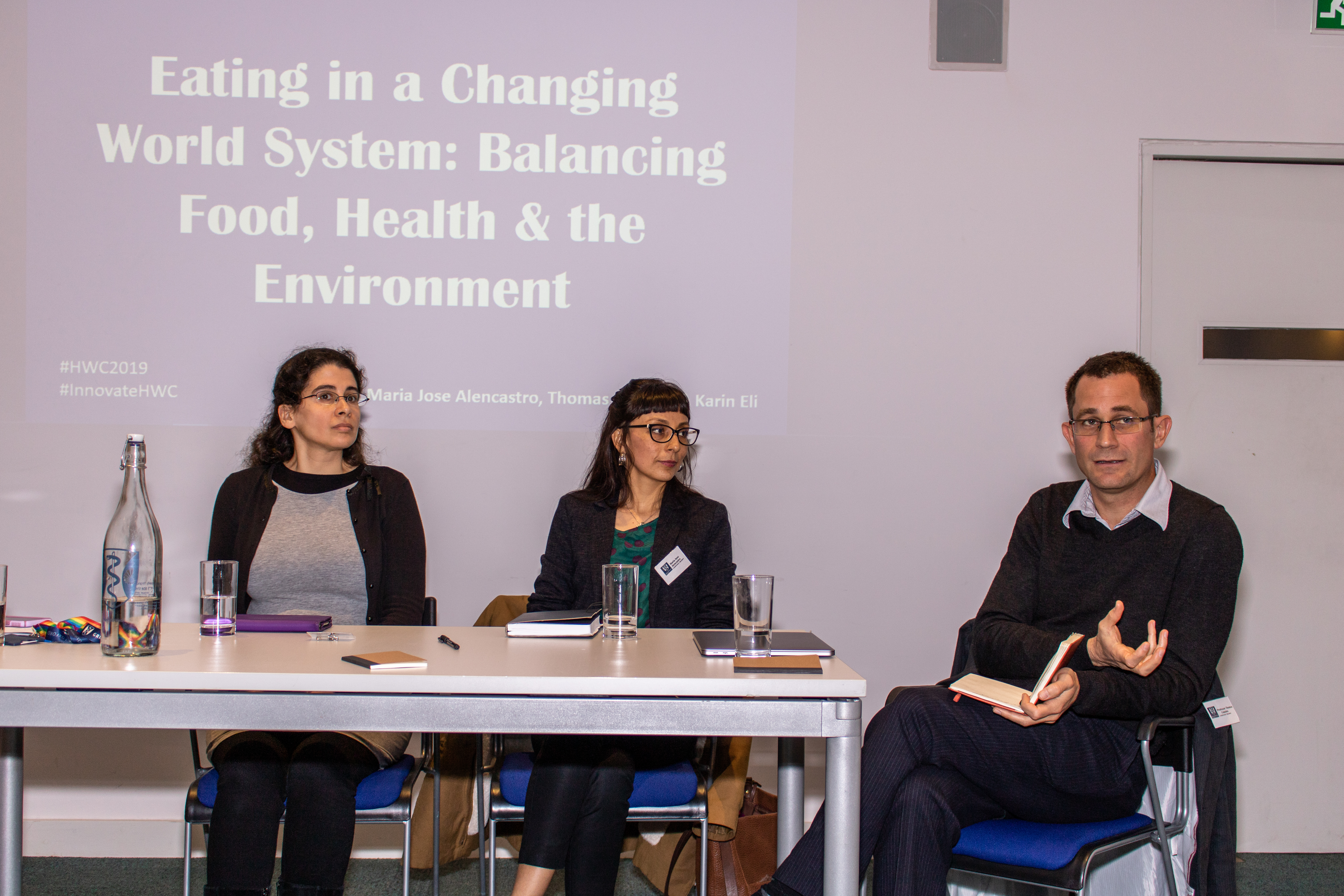
(l-r) Dr Karin Eli, Maria Jose Alencastro and Professor Thomas Cousins (Credit: Nuno Pereira)
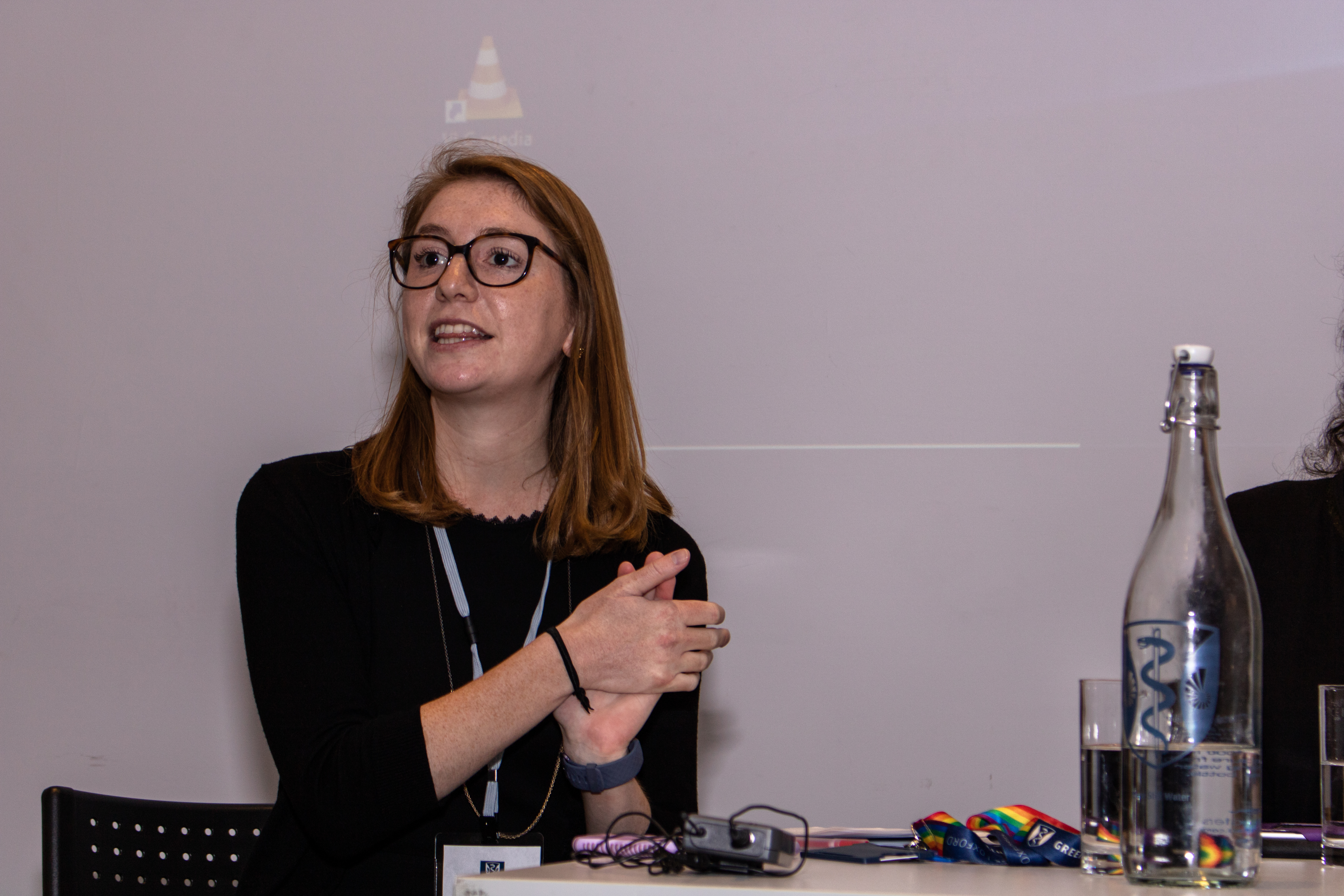
Moderator Taylor Grossman (Credit: Nuno Pereira)
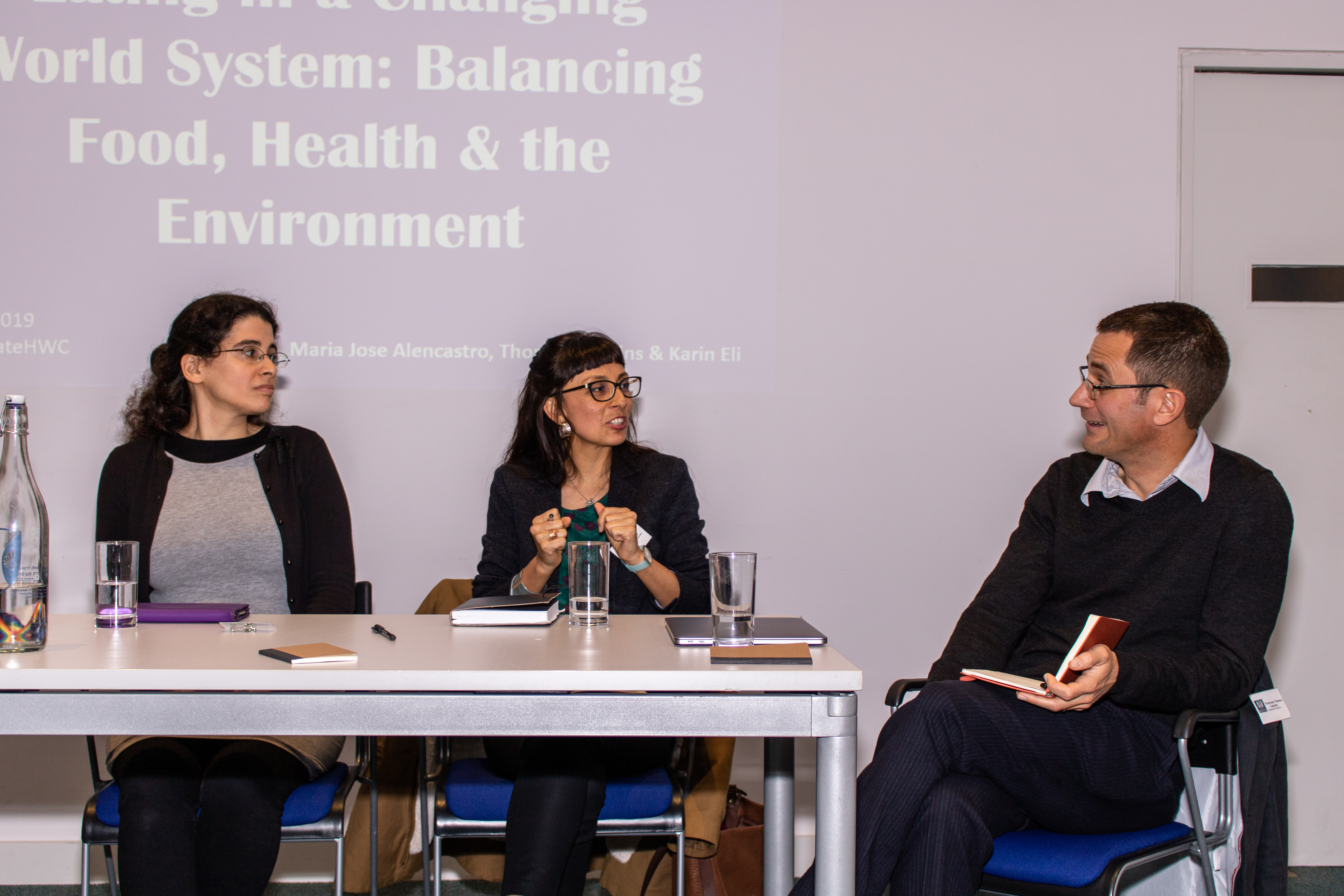
The panel discussed how to balance food, health and the environment (Credit: Nuno Pereira)
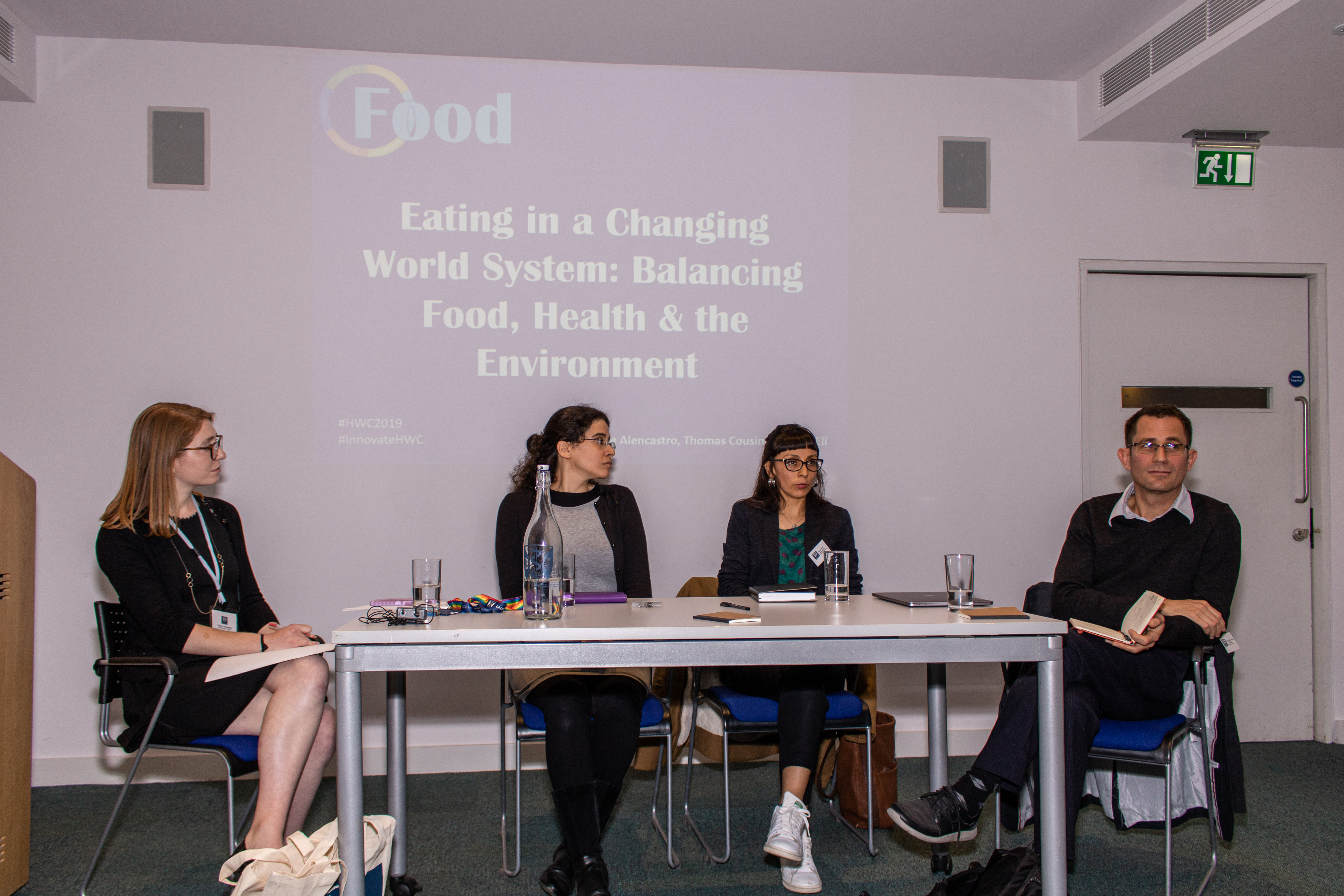
Each of the speakers spoke about their own field of expertise and research (Credit: Nuno Pereira)
The panel took place on day one of the conference (Credit: Nuno Pereira)