Improving newborn screening and care for sickle cell
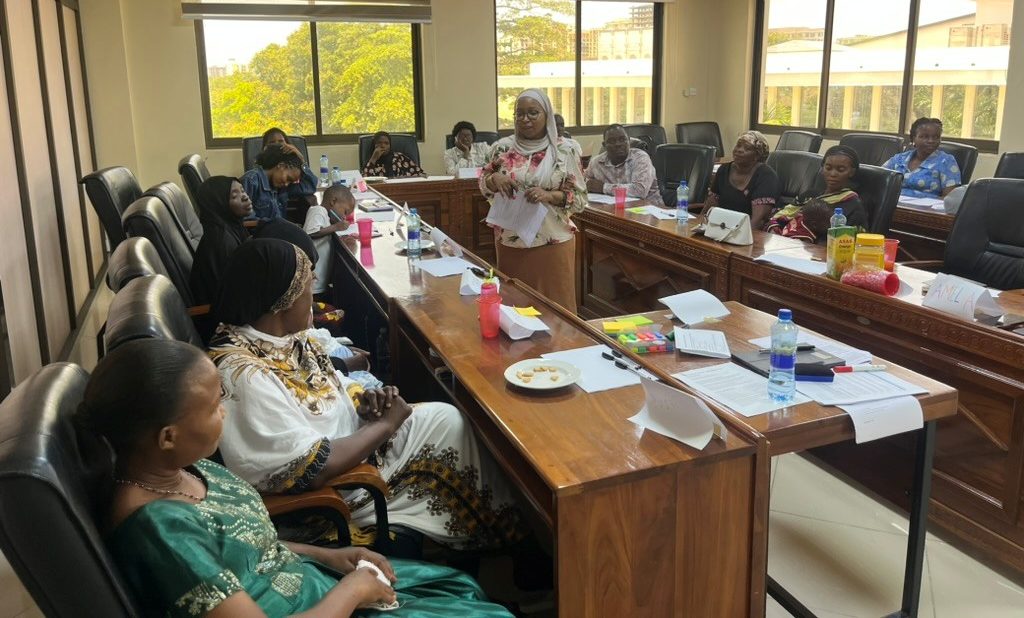
The Sheila Kitzinger Foundation, hosted at Green Templeton, is supporting a project of participatory work on sickle cell disease testing and care pathways in Tanzania.
Amelia Seabold (DPhil Translational Health Sciences) reports on her recent work.
In November 2026, two half-day workshops on sickle cell disease (SCD) were held in Dar es Salaam, Tanzania. These took place at Muhimbili University of Health and Allied Sciences (MUHAS) with participants from the Consortium on Newborn Screening for SCD in Africa (CONSA) program. These workshops brought together caregivers of children with SCD (Day 1) and caregivers of children with sickle cell trait (SCT) (Day 2) to share their experiences of newborn screening for SCD and design improvements for screening and care pathways in Tanzania.
The CONSA program runs in seven countries in Africa to support newborn screening for SCD. We recruited participants who had had their children screened in the last few years through this program, to share their experiences and participate in designing improvements to the system. The goal of the workshops was to allow space for caregivers to share with facilitators and each other their SCD journey and recommend changes based on their own experiences. Facilitated by Arafa Said, the founder of Sickle Cell Disease Patients Community of Tanzania and a SCD warrior herself, the workshops utilized images of hospitals, screening tests, and other associated factors to evoke feelings from participants and encourage discussion. Each workshop had two main sections.
The first focused on factors that affect one’s ability to seek screening and care for sickle cell disease outside of a hospital. These include things like transport costs and stigma. A few of the images from this section are shown below, depicting some of the difficulties families face.

Left: Image showing the belief that witchcraft or curses can lead to SCD. Middle: Image of medicines at pharmacy that are expensive. Right: Image of parents fighting after a SCD diagnosis. Images generated by ChatGPT Education version with prompts from Amelia Seabold.
Based on these images and prompts, participants discussed how low community knowledge about SCD leads to stigma and relationship problems. A key recommendation from this section was to increase awareness campaigns in all public places, including schools, churches, mass media, and through local leaders.
The second section of the workshop explored the pathway of newborn screening once the mother is in the hospital after giving birth. A draft pathway was presented with ten images based on my previous interviews with nurses who conduct screening. The goal was to see if caregivers had the same understanding of the screening pathway as nurses or experienced it differently, as well as identify opportunities for improvement. We found that while the overall structure was agreed upon by caregivers, there were significant issues with organization of screening practices, leading to long wait times and delayed receipt of results. One recommendation for overcoming some of these problems was to increase the number of healthcare facilities where screening is available. This would reduce the burden on each facility, decrease transport time for caregivers, and hopefully lead to more timely sharing of results.
The sessions ended with receiving feedback from participants about their experience in the workshops which was overwhelmingly positive. They enjoyed themselves and found the discussions very useful, requesting that sessions like this be run much more frequently to give them space for continual learning from each other. The facilitation team, including myself and co-researchers in Tanzania, are actively seeking funding to conduct more workshops.