
Green Templeton College London Alumni Chapter launched with Royal Society event
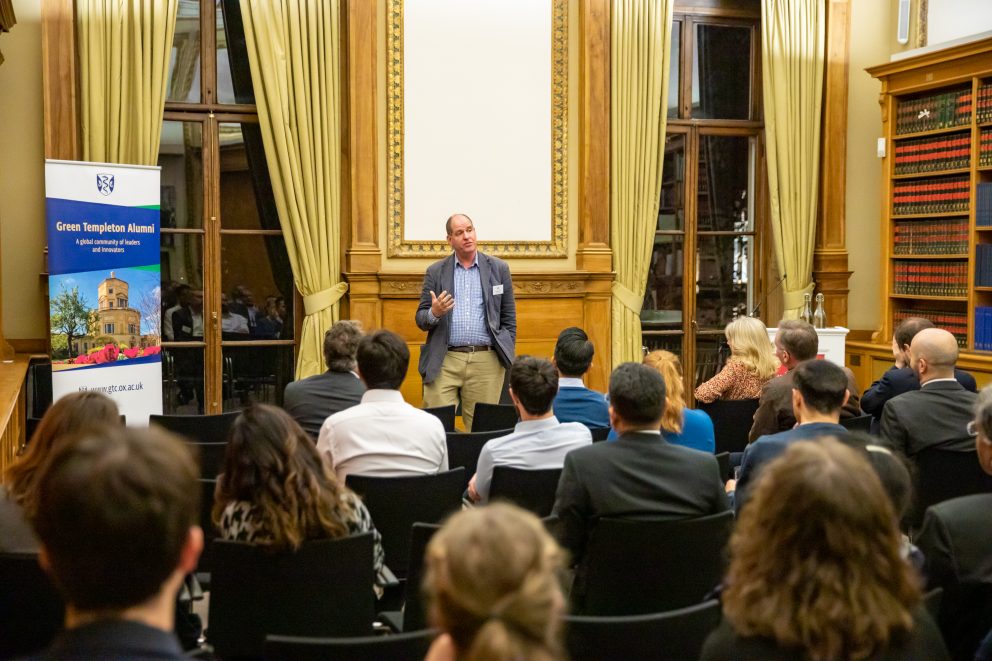
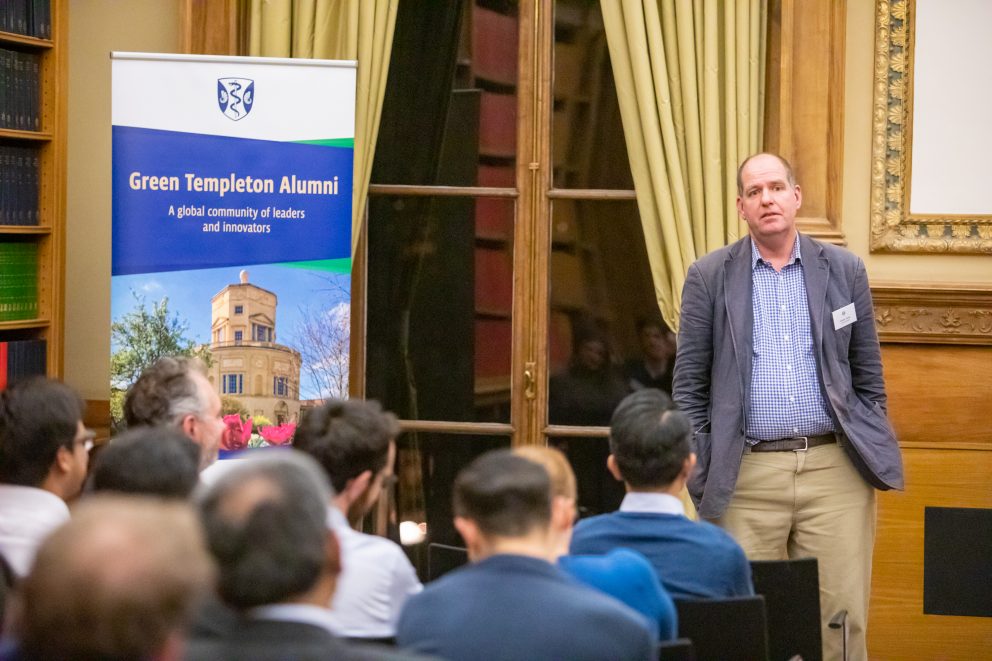
To mark the launch of the Green Templeton College London Alumni Chapter, Green Templeton College welcomed alumni and guests to an event at The Royal Society, London this week. Our speaker for the evening was Professor Charles Foster, a Fellow of Green Templeton College and Visiting Professor of Law at the University of Oxford, who spoke about his acclaimed book Being a Beast, a New York Times bestseller and IgNobel Prize winner.
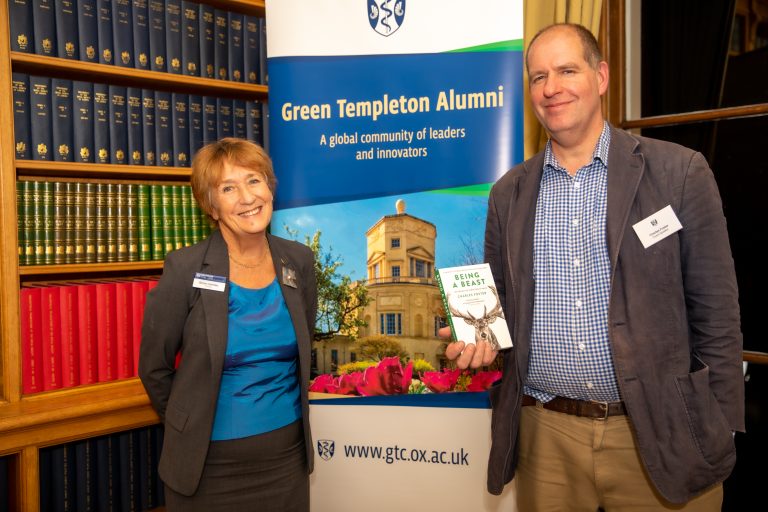
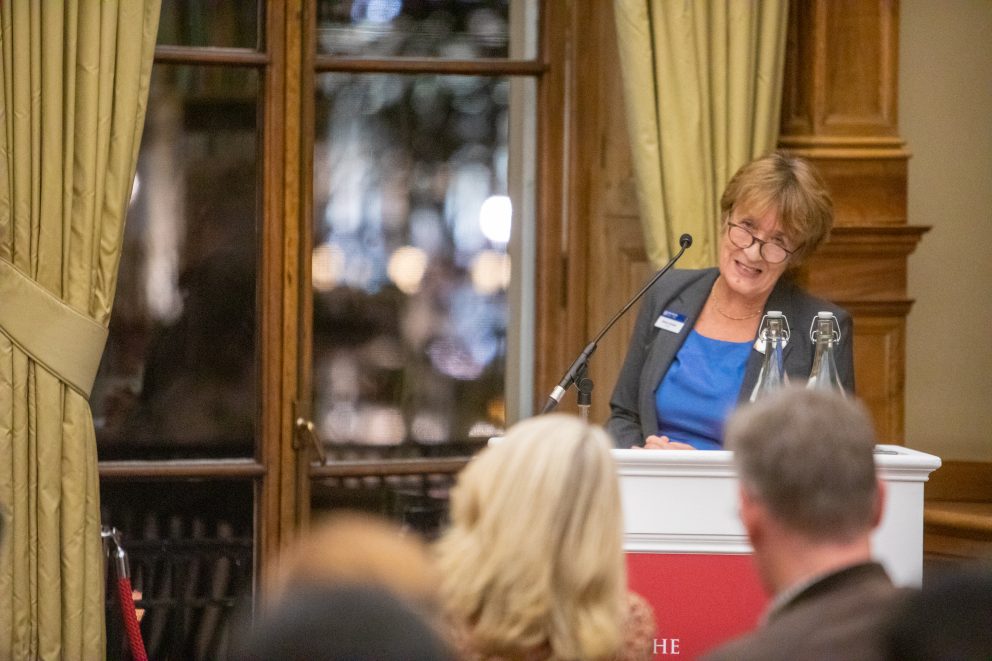
After a welcome from the Principal Denise Lievesley, Professor Foster delved into his attempts to live as a badger in the Welsh Black Mountains, an urban fox in London’s East End, an otter in the rivers of Exmoor, a red deer in the Scottish Highlands and in the West Country, and a swift in the skies between Oxford and central Africa. Professor Foster explored questions of empathy, animal emotion and the spectrum of sensory experiences through these attempts to live as non-human animals, with some candid anecdotes along the way, such as the flavour palate of earthworms.
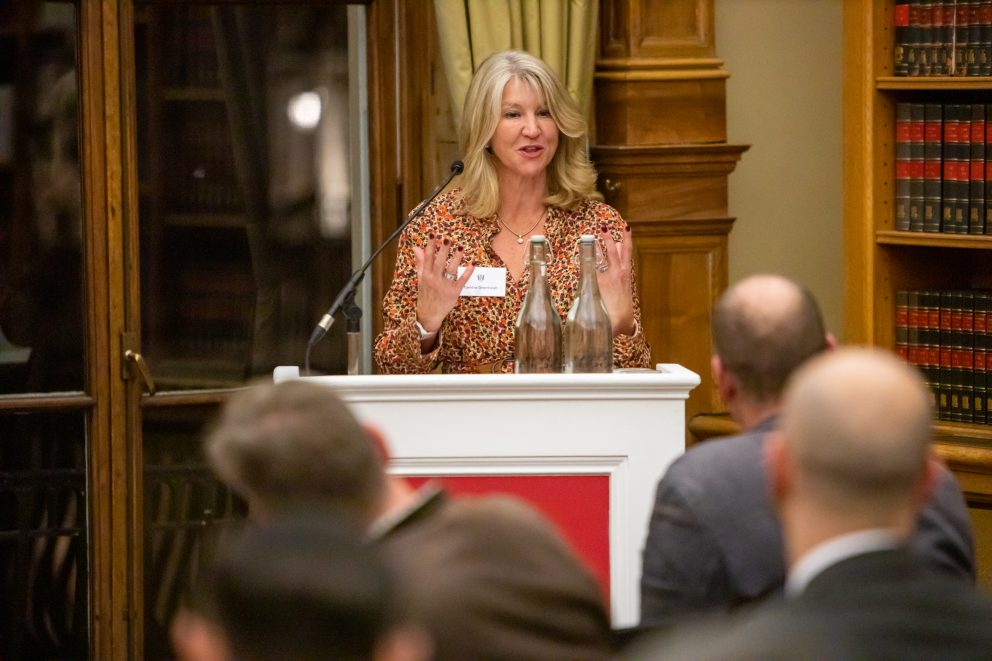
After questions from the audience, Professor Foster’s talk was then followed by the official launch of the fifth alumni Chapter of Green Templeton College’s international alumni engagement programme with a short speech by alumna Caroline Greenhalgh, Executive Director of Philanthropy Insights Ltd, Doctoral Researcher at Third Sector Research Centre, University of Birmingham and Board Member of The Fund for Global Human Rights.
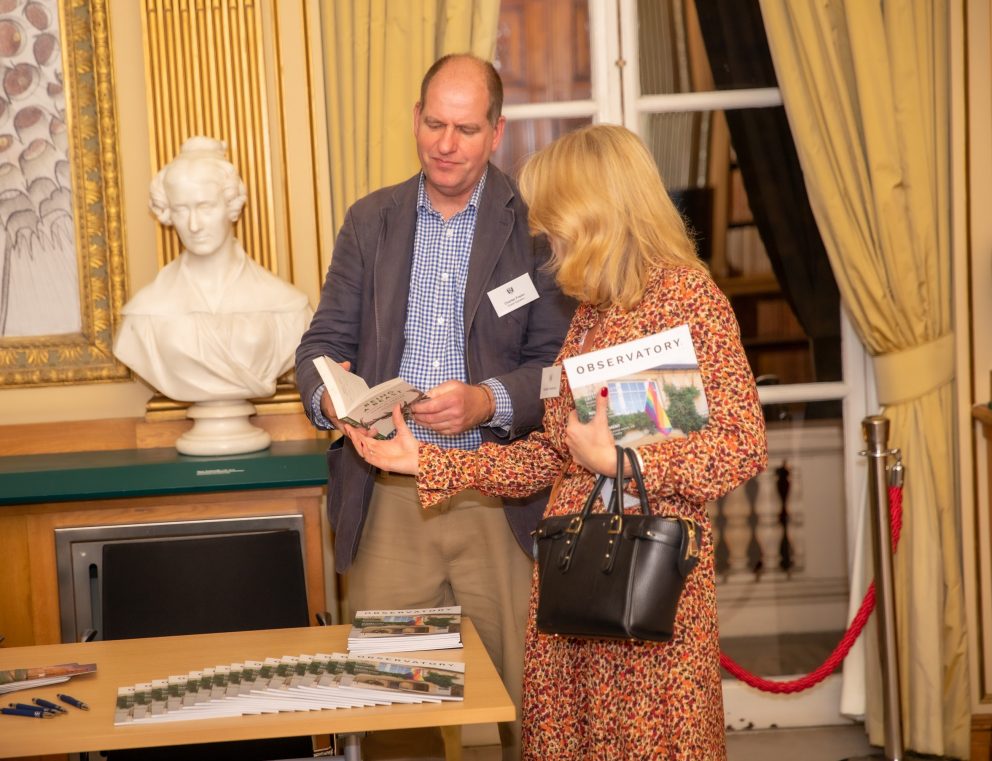
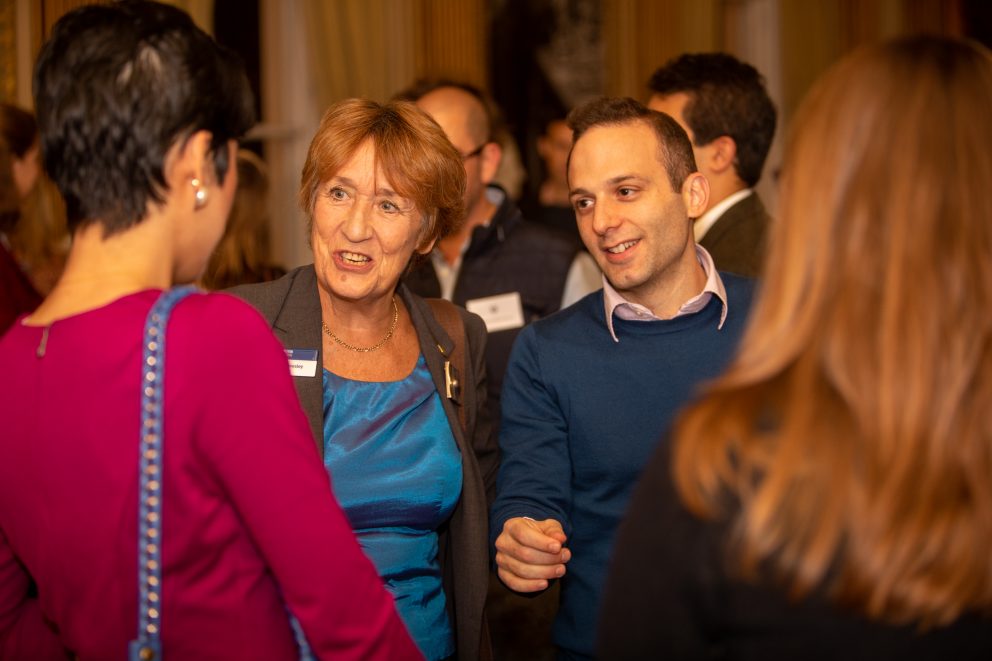
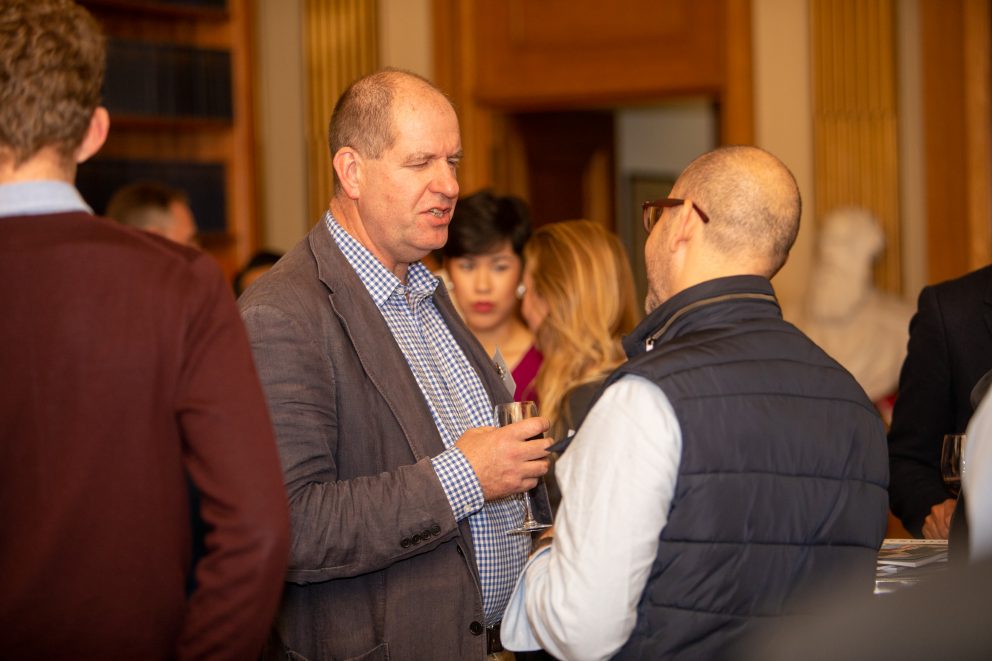
A drinks and canapés reception then followed, with much discussion of the illuminating, thought-provoking and entertaining talk from Professor Foster. Thank you to everyone who joined us for the evening! For more on the Green Templeton College London Alumni Chapter, check out the website or join the Facebook group.
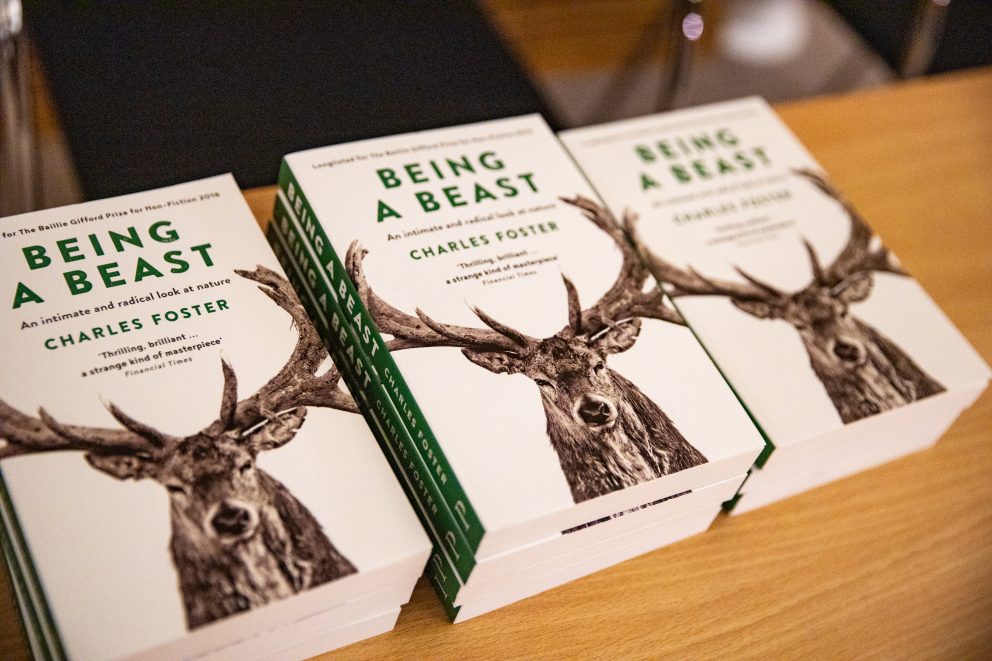
We very much look forward to welcoming alumni to further events in London after such a great evening! You can keep updated on all upcoming alumni events around the world here.
Congratulations to all of our new students who matriculated this weekend!
Welcome to Green Templeton 🐍🐚


Happy Friday!
We are ready and excited for a busy Michaelmas Term ahead.

Get ready for a discussion on leadership, diplomacy, philanthropy and Olympic sport. Plus a live fencing demonstration.🤺
On 28 October, we are bringing together four extraordinary women from the United States, United Kingdom and Pan-American sporting communities for the event: Bridging Nations, Leading Change.
The conversation will explore how sport can create change across borders, from women’s leadership and philanthropy to sports diplomacy and the Olympic movement.
With a welcome from Chief Executive of @TeamGB Jon Dutton OBE , alumna Selina Kaing (MBA, 2006) will moderate the panel`s discussion featuring:
🌎 Ana Irene Delgado, Permanent Representative of Panama to the Organization of American States
🏅 Sally Munday, Chief Executive of @UKSport
🤺 Georgina Usher MBE, Chief Executive of @BritishFencing
To register, go to the link in the comments
#GreenTempletonCollege #Oxford #WomenInLeadership #SportDiplomacy #Fencing #OlympicMovement #WomenInSport #OxfordEvents

Although we can not guarantee his attendance, Vincent encourages all new students to attend the college life fairs, taking place today from 14:00 to 15:30 in the marquee and Thursday 8 October from 10:30 to 12:00!
Meet college staff and representatives from student clubs!

The college is delighted to welcome a new Oxford PharmaGenesis DPhil Scholarship in Translational Health.
The scholarship has been established through an endowment gift of £1,660,000 from Oxford PharmaGenesis, now part of the Klick family, creating a permanent fund to support doctoral students undertaking outstanding postgraduate research in the field of translational health at Nuffield Department of Primary Care @oxford_uni


