Meet Kapil Narain
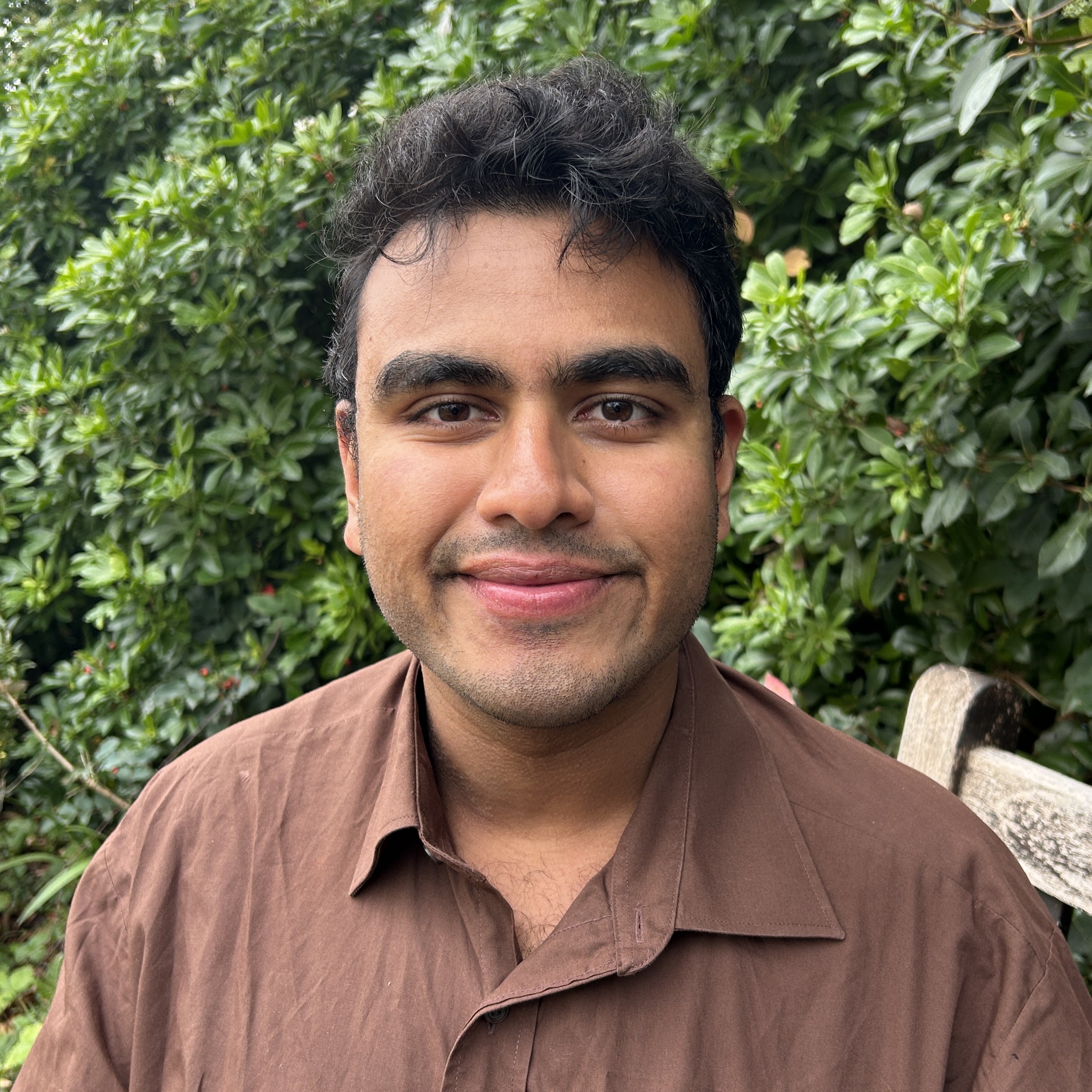 Kapil Narain (DPhil Clinical Medicine, 2024) joined the Junior Dean team at the start of the new academic year. The Junior Deans are the first point of contact for students experiencing any issues that affect their welfare, big or small.
Kapil tells us about his journey to Oxford, his role in supporting student welfare and what he gets up to in his free time.
Q&A
Can you tell us a little about yourself?
I qualified as a medical doctor in Durban, South Africa, where I worked for three years in different departments before moving to Oxford. I secured a Rhodes Scholarship to do my MSc in International Health and Tropical Medicine here at college. I’m now a DPhil student looking at a mutation in human DNA that could increase risk for infections.
Why did you apply to become a Junior Dean?
It’s a nice link with my background. One of the reasons I took up medicine is simply to help people. I’ve always had a passion for giving advice and for chatting with people so I felt that this role is essentially one that was created like for individuals like me. In a nutshell, I applied because I felt that it’s a way in which I could help fellow students. In essence, I view the Junior Dean role as a meaningful opportunity to support fellow students while contributing to a caring and inclusive academic community where students can thrive.
What are your main responsibilities?
If students are having a problem we are here. We can talk to them, and we can link them with the different services that are available. As Junior Deans we are often the first responders for student contact for anything as part of the welfare team. From Week 0 to Week 10 each term one of the three of us is here, literally 24/7. In the middle of the night students can reach one of us – no concern is too small or too serious; every student matter is treated with confidentiality, care and professionalism.”
Could you say a bit more about your interaction with the wider Welfare team?
We’re very integrated into the college, whether that’s the accommodation team, the academic office or someone else. If it’s an emergency, we would facilitate an ambulance and even travel to hospital with a student in a private cab if appropriate. But it’s important to remember that the college is full of fantastic people.
It is important to remember that the college is made up of an exceptional community. We are supported by dedicated and highly capable staff and enriched by a diverse body of international students who are navigating the challenges of moving away from home and adjusting to a new environment.
There are a lot of challenges with a Master’s or DPhil, so if there is any way in which we can make their life a little bit easier we’re glad to do it.
What are your ambitions for the future?
I’m still very much in the early stages of my DPhil, but I know that I would like to pursue a role specialising in infectious diseases. I’d like a role where I can see patients clinically and do some academic work as well.
Ultimately what I really want to do is help people with finding new treatments or prevention. From my history with public health work, I’m keen to combine my work seeing patients on the ground with my work in the lab to help shape policies to ensure that the greatest possible number of individuals have access to healthcare. In too many instances there are significant disparities where people who are poor can’t access care.
How do you relax outside your studies and Junior Dean duties?
I just love soaking up whatever is on in Oxford. I’m a big fan of theatre and I’m involved with running one of the student theatres. But I also enjoy watching professional theatre and the amazing classical music at the Sheldonian, which is really inexpensive and accessible. I’m a passionate member of the African Society, I love cooking and keeping active, having run the Oxford Half and walked 55 km across Oxfordshire for charity.
This feature is extracted from Observatory magazine 2025